
Tips
Maximising Your Success in 2024: 11 Tips for Making the Right Decisions
From time-wasting habits to toxic relationships, here are 11 common pitfalls that hold people back — and practical ways to avoid them for a successful 2024.
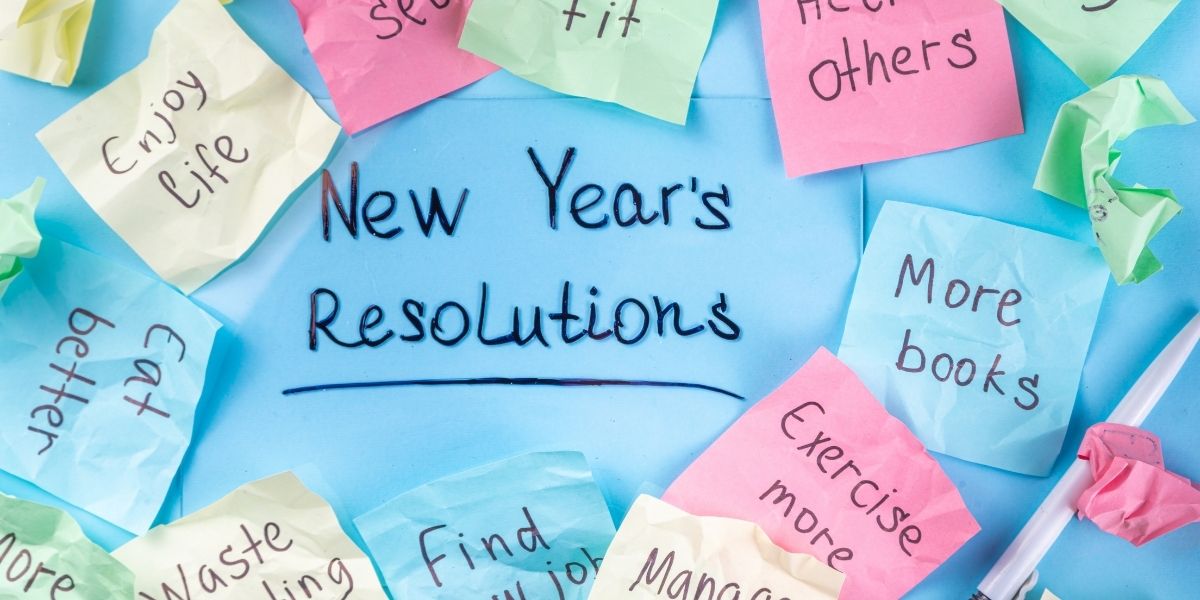
11 Tips for making the right decision and succeed in 2024
From unhealthy habits to negative mindsets, we have all done our fair share of dumb stuff. So here's a list of eleven really dumb things that people do and how to avoid them. Let's learn to make smart choices and avoid mistakes.
- AVOID - Time wasting habits
- Break the cycle of unhealthy behaviors
- DON'T - Break your Wallet
- Take care of your emotional health
- INVEST – Into yourself
- Efficiency vs. Hard-work: Finding the Right Balance
- STOP – "Living in the past"
- The "knowing everything Ego"
- DO NOT LET - Envy and jealousy dictate your actions
- TAKE - Responsibility
- Stay away from Toxic People
In 2024, get ready to soar to new heights with your accomplishment! The brain trust in business intelligence, and we have outlined an exciting strategic road map with 11 tried-and-true methods to improve your decision-making abilities. No more worrying or second-guessing yourself. It's time to boldly outperform your rivals, encourage rapid expansion, and drive your success narrative in the direction you desire.
Are you prepared to let go of mediocrity and welcome incredible growth? Redefine your success in 2024 at the outset. Well-defined objectives serve as a lighthouse, steering you clear of obstacles and toward success. You may increase your speed and accuracy by implementing a strong framework for decision-making, and nothing spurs success more than a proactive, well-informed strategy.
The road to hell is paved with good intentions. However, making prompt and informed decisions can make the difference between mediocrity or the extraordinary.
Tie your seat-belts guys, because we're diving headfirst into a harsh reality check! Let's admit it, those high-spirited resolutions you've made with the best intentions? They're going to fizzle out within the first 30 to 60 days. Sound familiar? That's because we see this song and dance every single year! History has this uncanny knack of repeating itself, playing out like an old, tired rerun, and it's no shocker that you're wrestling with keeping your commitments on track.
Now let's get real. Not learning from our past blunders, repeating the same mistakes or choosing to ignore our previous experiences? That, my friends, is the textbook definition of stupidity. But hey, let's not dwell too long on resolutions. By now, you've probably devoured enough articles on the subject to last a lifetime. It's become incredibly tiresome to see the same old advice recycled every January, right when you're trying to dust off the holiday cobwebs and swing back into your routine!
What if success does not depend on the number of good things you do, but rather on the number stupid things we don't do.
We have all committed our fair share of foolish things, from bad habits to pessimistic attitudes, that are simply not our style. Because we're all human, nobody is flawless. Let's have a humorous look at some of the most typical dumb things that people do. Here's a list of 11 things that may just cause you to laugh out loud in recognition. It's not only about laughing and pointing fingers, though, so don't worry. I will provide a kind note with each item on the list explaining how to avoid making the same mistakes again. Life is all about developing and learning, after all. So let's enjoy this adventure together and improve our ability to make wise decisions and pave our success in 2024.
1. AVOID - Time wasting habits
We have all been wasting way too much time on things that don't really matter. Whether it's scrolling through social media for hours on end, getting sucked into a video game, or binging the latest hit series on Netflix. We have all fallen victim to the time-sucking monsters of unproductive activities.
Do these time-wasting habits have any consequence? Well, they do. They lead to decreased focus, lower productivity, and affect your health. For example, South Korea has taken steps to address concerns about addiction to gaming and social media by implementing the "Cinderella Law," prohibiting online gaming for children under the age of 16 from midnight to 6a.m. Further measures were introduced requiring games to display warning messages about the risks of addiction.
Time is the most precious depleting asset. Once gone, you never get it back.
We all have a certain number of hours in a day (24, to be exact), and once they're gone, they're gone for good. So it's up to you to use your time wisely and make the most of the opportunities that come your way. By investing your time in productive activities you are investing in your future — to learn new skills, build relationships, and create value for yourself and others. But how do we actually stop wasting time and start being more productive? Here are a few tips to get you started:
- Set clear goals and priorities: Figure out what's most important to you and focus your efforts on those tasks.
- Create a calendar: Plan out your day in advance, including blocks of time for specific tasks and breaks. And try to stick to your schedule as much as possible.
- Eliminate distractions: Get rid of those time-wasting distractions, like social media or excessive email checking or reading junk stuff in newspapers.
- Use your time effectively: Focus on one task at a time and try to avoid multitasking whenever possible.
- Take breaks: Remember to take regular breaks to rest and retain your concentration.
- Learn to delegate: Free your valuable time to be more effective.
It's good to know that according to a survey by McKinsey, the average employee spends about 28% of their workweek (that's about 11.5 hours) on emails. So maybe try to manage your inbox a little more efficiently, too.
2. Break the cycle of unhealthy behaviors
We've all been guilty of bad behaviors that negatively impact our physical and emotional wellbeing. It could be smoking, binge drinking, or eating junk food like there's no tomorrow. Breaking these habits can be challenging. If you start making changes the rewards will be well worth it. You'll experience joy, increased vitality and an overall improved sense of self. So how do you begin? Here are some suggestions to help you lead a better life:
- Quit smoking: It's not easy, but it's worth it.
- Curb your drinking habit: Your liver (and wallet) will thank you.
- Stop over-eating: Adopt a balanced diet.
- Exercise more: Be more active.
- Sleep on time: Quality sleep is crucial for your recovery.
- Keep stress levels low: It's not good for your body or mind.
- Socialize: Being around other people is good for the soul.
- Join a gym: Or take up a new hobby, do Karate or jujitsu.
- Be more disciplined: In everything you do.
So go ahead and make some positive changes to your health and well-being.
3. DON'T - Break your Wallet
We all love acquiring all the shiny new things and filling our home with what we need and what we don't. We all love to be financially secured and successful. But don't equate accumulating wealth with excessive consumption.
Overindulging in material possessions can have some pretty negative consequences. It can lead to an unhealthy focus on material wealth and status, put you into debt cycles and financial jeopardy, and prevent you from living a more meaningful life. It may affect your relationships, personal growth, and community involvement.
You can never have enough of anything if you constantly feel the urge to buy and to buy even more. It's a never-ending cycle of over-consumption and waste. Overindulging in material possessions and the consumerism culture even have a negative environmental impact.
A global survey conducted by the World Wildlife Fund (WWF) in 2018 found that over-consumption and waste are major drivers of environmental degradation and loss of biodiversity. The survey also found that the average global ecological footprint (a measure of resource consumption and waste) is over 50% larger than the planet can sustain.
Besides it has disastrous consequences on your financial planning (if you have one of course). So, what should you do? Well, it's time to start being mindful of your consumption habits and considering the impact of your choices on yourself and others.
4. Take care of your emotional health
We are all guilty of neglecting our emotional health. Stress, anxiety, and depression are just a few of the mental health issues that can arise from neglecting our well-being. So what's the solution?
It's time to prioritize self-care and take steps to improve your mental and emotional health. This might mean setting aside time for relaxation and stress-reduction, seeking support from friends and family, or seeking professional help if needed. It's all about finding what works for you by making your emotional well-being a priority which, is as important as your physical health. You deserve to take care of yourself by practicing self-care as from today.
It's never too late. Start by acknowledging and dealing with your emotions. Set boundaries to protect yourself and when you need help ask for it from friends, family, or professionals. You will need to find healthy ways to cope with difficult emotions as they form part of your life. And make time for activities that nourish your emotional well-being.
5. INVEST – Into yourself
Seriously, are you not investing into yourself? How do you want to develop your potentials, then? You are missing out on opportunities to acquire new skills or gain new experiences. This will hold you back in terms of personal growth and career success. This can also result into low self-confidence and deprive you of the much needful kick to boost your self-confidence.
Skipping out on education or training can limit your opportunities for advancement or limit the types of jobs you can pursue. And neglecting your personal development or well-being can make you less productive and effective in your work. So, how do we avoid all of this?
It's simple: make the investment into yourself a top priority.
This means investing into your education or training, focusing on personal development, and finding ways to invest in your well-being. Trust me, it'll be worth it in the long run. Follow the following tips to get some ideas on your development:
- Invest in your education: Gain new skills and knowledge.
- Invest in your personal development: Improve all aspects of your life.
- Get a mentor: Get guidance and to accomplish your goals.
- Take care of your physical health: A healthy body means a healthy mind.
- Take care of your emotional health: Reduce stress and adopt a healthy lifestyle.
- Expand your network: Get inspired by other successful people.
- Engage in activities: Join a sports club, or give time to causes you care about.
It is very important to learn the power of self-improvement and why investing in yourself is essential for your success.
6. Efficiency vs. Hard-work: Finding the Right Balance
Working hard can be addictive. This can lead to a phenomenon known as "workaholism," which is characterized by a compulsive need to work, often to the exclusion of other activities.
Is it possible to be efficient without putting in a lot of hard work? You can be working hard without being efficient and productive. More sweat and stress is absolutely not equal to more productivity.
Hard work and efficiency are not necessarily the same thing. Hard work refers to the effort and dedication that someone puts into a task or goal, while efficiency refers to the effectiveness and productivity with which a task is completed. If you believe that hard work is synonymous with efficiency, then you may be more likely to focus on putting in a lot of effort and dedication into your tasks and goals, instead of finding ways to be more effective and efficient. This leads to a mindset of "working harder" rather than "working smarter." Here are a few tips to help you work smarter:
- Set clear goals: Focus your efforts on tasks to achieve your goals.
- Set priorities: Give priority to tasks that add value to your life or business.
- Create a schedule: Plan your day in advance.
- Block time slots: Block time slots for specific tasks using the 20/80 principle.
- Eliminate distractions: Distractions waste your time. Minimise use of social media or excessive email checking.
- Avoid multi-tasking: Use your time wisely by focusing on one task at a time.
- Take breaks: Take regular breaks to rest and have better concentration. This will help you to stay focused and avoid burnout.
- Delegate, delegate: Consider delegating tasks that are not critical or tasks that do not use your time effectively.
- Automate or streamline tasks: Look for ways to systematise repetitive tasks to save time and effort.
- Learn new skills: To be efficient and more productive.
- Get tools and resources: Look for tools or resources that can help you to be efficient, such as project management software, accounting software such as QuickBooks Online or other productivity apps.
- Set boundaries: Set clear boundaries around your work schedule. Ensure you have adequate time for rest and relaxation to maintain a healthy work-life balance.
Always remember: work smarter, not harder.
7. STOP – "Living in the past"
It is not a bad thing to think about the past, as past build our present. But if you're excessively reminiscent about the past you are "living in the past". If your time machine gets stuck in the past, you can never be in the present. By recalling past events or experiences (bad ones in particular), you are unable to move on from past failures or regrets.
Living in the past will prevent you from fully engaging with the present and looking towards the future. It can also program you with a negative mindset and a distorted view of the present world. Living in the past foments negative emotions such as sadness, anger, or regret. These emotions can be difficult to cope with and can have a negative impact on your well-being and relationships.
The past is a place of reference, not a place of residence; the past is a place of learning, not a place of living. - Zig Ziglar
Letting go of the things that cripple your mental capacity is very important. Negative thoughts and emotions are locked in a loop of frequent flashbacks and sometimes you may even feel pleasure in your pain or your melancholic mood. You have to wake up and own your present, so as not to jeopardise your present or future. Believe me, leaving your past behind helps you move forward in life. Wake up. Embrace life, it's so beautiful.
8. The "knowing everything Ego"
Imagine you're a super-smart person who knows absolutely everything there is to know about everything. You're the smartest person in the world, and you can solve any problem with ease. You know everything about politics, science, history, business and even how to fix that leaking faucet in your bathroom.
But there's just one little problem: nobody else knows that you know everything. In fact, they all think you're just an average person. But you know better. You're secretly a genius, and you're just waiting for your chance to show everyone how smart you really are. But alas, that chance never seems to come.
Did you get my point? The "knowing everything ego" makes you believe that you have all the knowledge and expertise necessary to make informed decisions and solve problems. This can be counterproductive, as it will lead you to ignore other people's advice, resulting in poor decision-making and negative outcomes. This mindset may have developed over the years due to your unconscious brain programming into a set of "unrealistic beliefs". A lack of self-awareness or self-reflection often leads you to overestimate your own knowledge and abilities.
Great people are often known for their humility, for being modest, respectful, and open to learning from others. If no man/woman is an island, no one individual has every piece of the puzzle. We are all limited by time, by our ability and our mindset.
Smart people learn from everything and everyone, average people from their experiences, stupid people already have all the answers. - Socrates
Have you recently met someone who believes that his own perspective on any matter is the only correct one? Would you be comfortable to be judged as being that person? Someone who has an inflated sense of self-importance and a desire to look superior to others can never learn humility. Remember skills are learned and shortcomings are unlearned by consciously taking concrete actions. Why not include overcoming your weaknesses as a new year resolution? Sometimes, there is Wisdom in Saying 'I Don't Know'.
9. DO NOT LET - Envy and jealousy dictate your actions
Jealousy and envy are powerful emotions that can have a significant impact on individuals, affecting their mental and emotional well-being. It is crucial to recognize and understand these feelings in order to effectively manage them and maintain a positive outlook on life.
It's easier to concentrate on what you lack than on your own accomplishments and talents. Isn't that the primary purpose of envy and jealousy? Jealousy, the sneaky little monster that creeps into your brain and turns you into a green-eyed little monster! Sitting on our shoulders and whispering into our ears: "You will never be as successful as that person."
Envy can warp perspective and sow doubt in your own mind when it casts a shadow over your heart. When you see someone else with something you desire — a material possession, a special talent, or even just the attention of others — it's normal to experience a sense of inadequacy. Allowing envy to dictate your actions can reveal your lack of sincerity in your rapport with people. Instead of being motivated by genuine interest in others, your actions are driven by a desire to compete, a desire to compare.
It is important for you to recognize and manage your negative thoughts, and to focus on your goals and achievements instead of adopting incessant comparison. Jealousy will also make you overlook the obvious or focus on the abstract. Here are some ways to lead you to a much more fulfilling and satisfying life:
- Practice gratitude and be grateful for what you have.
- Focus on your strengths and accomplishments.
- Stop comparing yourself with others.
- Practice forgiveness and get peace of mind.
- Don't waste your time thinking about bad people.
- Cherish your time with good people.
- Socialise more, and get inspired by nice people.
- Remove negative thoughts from your mind and put them on paper. Work on each of them.
10. TAKE - Responsibility
Are you tired of pointing fingers at your colleagues, the weather, the authorities or binge watching on Netflix? It's about time to own up and take charge! It may be easy to lay blame. It won't lead us anywhere.
Instead of making excuses it's important to admit our mistakes as well. Failures can be our best teacher. So next time you make a mistake, don't deflect blame. Own it and learn from it. Taking responsibility can greatly benefit your relationships by showing others that you are dependable and trustworthy.
If you refuse to accept accountability you will always find someone or something else to fault — your colleagues, the weather or the authorities. This can lead to conflicts in both your life and relationships. Resolving issues becomes difficult if you avoid taking responsibility. So next time you feel tempted to shift the blame onto others, pause for a moment and think about the advantages of owning up. Believe me it's going to pay off. It'll help build trust and mutual respect in your relationships.
11. Stay away from Toxic People
There comes a point in our lives when we have to cut ties with someone for reasons especially if that person is toxic.
Toxic relationships can take many forms and can involve any type of relationship, including personal relationships, family members or business partners. Toxic relationships are characterised by a person trying to control your thoughts, actions, or behavior, often through manipulation.
Toxic people don't respect you or your boundaries, your opinions, or feelings. It may occasionally even involve deceit and emotional torture.
Due to its very emotional nature, toxic friends or relatives are harder to handle than toxic clients.
However, you will have to handle them. To get rid of whatever is preventing you from moving forward and draining all of your energy, you must be resourceful and persistent. Any individual should be aware of the warning signs of a toxic relationship and should seek assistance if they are in one. We may not always like it, but sometimes there is a need for ending "destructive dynamics" by cutting ties with negative relationships.
Conclusion
In summary, to succeed in 2024 it's important to make the right decisions. Avoid traps like time wasting habits, unhealthy choices, overspending, neglecting your well-being and not investing in yourself. By following the advice provided in this article you can position yourself for success and accomplish your objectives this year. Remember to establish goals, minimize distractions, prioritize self-care and invest in your education, personal growth and physical health. With some dedication and self control you can bring about transformations in your life and attain success not just in 2024, but also in the years ahead.